Why did Britain impose the Stamp Act and the Townshend Acts on the colonists
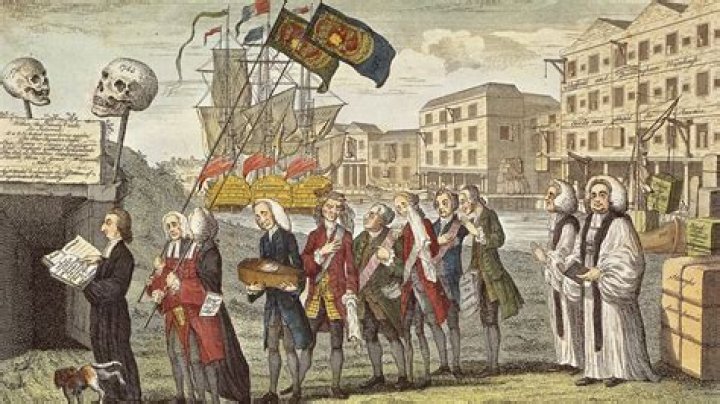
Why did the British make these laws? The British wanted to get the colonies to pay for themselves. The Townshend Acts were specifically to pay for the salaries of officials such as governors and judges. The British thought that the colonists would be okay with taxes on imports.
Why did Britain impose the Stamp Act and the Townshend Acts on the colonists quizlet?
Why did Britain impose the Stamp Act and the Townshend Acts on the colonists? Britain needed money to pay for the defense of the colonies. … What was the effect of British taxation on the colonies as a whole? They started to unite as Americans.
What was the purpose of the Stamp Act?
Stamp Act, (1765), in U.S. colonial history, first British parliamentary attempt to raise revenue through direct taxation of all colonial commercial and legal papers, newspapers, pamphlets, cards, almanacs, and dice.
Why did the colonists oppose the Stamp Act and the Townshend Acts?
Because colonists had opposed the direct tax imposed by the Stamp Act, Townshend erroneously believed they would accept the indirect taxes, called duties, contained in the new measures. These new taxes further fueled the anger regarding the injustice of taxation without representation.Why did the British repeal the Stamp Act?
In summary, the repeal of the Stamp Act was successful because Britain realized the distinction between internal and external taxes. Parliament had tried to extend its authority over the colonies’ internal affairs and failed but continued to collect duties in its ports to regulate trade and as revenue.
What did the British think of the Stamp Act?
The Stamp Act of 1765 was a tax to help the British pay for the French and Indian War. The British felt they were well justified in charging this tax because the colonies were receiving the benefit of the British troops and needed to help pay for the expense. The colonists didn’t feel the same.
How did the British react to the colonists reaction to the Townshend Act?
On April 12, 1770, the British government moves to mollify outraged colonists by repealing most of the clauses of the hated Townshend Act. … Townshend’s annual Revenue Act levied a controversial package of taxes on the colonists, including duties on lead, painters’ colors, paper and tea.
Why was the Townshend Act important to the American Revolution?
The Townshend Acts would use the revenue raised by the duties to pay the salaries of colonial governors and judges, ensuring the loyalty of America’s governmental officials to the British Crown. However, these policies prompted colonists to take action by boycotting British goods.How did the Stamp Act affect the colonists?
It required the colonists to pay a tax, represented by a stamp, on various papers, documents, and playing cards. … Adverse colonial reaction to the Stamp Act ranged from boycotts of British goods to riots and attacks on the tax collectors.
Why did the British decide to repeal the Stamp Act quizlet?The Stamp Act was repealed on March 18, 1766. However, the British Parliament wanted to send a message to the colonies. The Stamp Act may not have been a good way to tax the colonies, but they still felt they had the right to tax the colonies. … The taxes for the Stamp Act had to be paid for with British money.
Article first time published onWhat do the Stamp Act and the Townshend Acts have in common?
disagreed with colonial views on taxation without representation. What do the Stamp Act and the Townshend Acts have in common? … Both were rejected by colonists who thought that the British government was imposing unfair taxes.
How did the Townshend Act differ from the Stamp Act?
The Stamp Act imposed duties on most legal documents in the colonies and on newspapers and other publications. After the Stamp Act was repealed, the Townshend Act were created and imposed import duties on tea, paper, glass, red and white lead, and painter’s colors. … These were published in pamphlets and newspapers.
What happened because of the Stamp Act?
The Stamp Act was passed on March 22, 1765, leading to an uproar in the colonies over an issue that was to be a major cause of the Revolution: taxation without representation. … Most Americans called for a boycott of British goods, and some organized attacks on the customhouses and homes of tax collectors.
Why did the Stamp Act anger the colonists quizlet?
It angered colonists because they weren’t allowed to settle west of the Appalachian Mountains. … Delegates from nine colonies drew up a petition to the king protesting the Stamp Act, colonial merchants boycotted British goods, and some formed secret societies to oppose the British policies.
What effect did the Townshend Act have on the colonies quizlet?
What was the effect of the Townshend Acts 1767? Colonists decided to boycott British goods because they were taxed on imported goods from Britian.
Why did the British repeal the Stamp Act after multiple protests and boycotts?
British merchants and manufacturers pressured Parliament because their exports to the colonies were threatened by boycotts. The Act was repealed on 18 March 1766 as a matter of expedience, but Parliament affirmed its power to legislate for the colonies “in all cases whatsoever” by also passing the Declaratory Act.
What did the Stamp Act do quizlet?
The Stamp Act was passed by the British Parliament on March 22, 1765. The new tax was imposed on all American colonists and required them to pay a tax on every piece of printed paper they used. Ship’s papers, legal documents, licenses, newspapers, other publications, and even playing cards were taxed.
What was the purpose of the Stamp Act Congress quizlet?
TestNew stuff! A meeting of delegations from many of the colonies, the congress was formed to protest the newly passed Stamp Act It adopted a declaration of rights as well as sent letters of complaints to the king and parliament, and it showed signs of colonial unity and organized resistance.
When colonists boycotted British goods under the Stamp Act they did what?
In October of 1765, delegates from 9 colonies met to issue petitions to the British Government denying Parliament’s authority to tax the colonies. An American boycott of British goods, coupled with recession, also led British merchants to lobby for the act’s repeal on pragmatic economic grounds.
What happened in the Townshend Act?
The Townshend Acts were a series of laws passed by the British government on the American colonies in 1767. They placed new taxes and took away some freedoms from the colonists including the following: New taxes on imports of paper, paint, lead, glass, and tea.
When were the Townshend Acts passed?
On 29 June 1767 Parliament passes the Townshend Acts. They bear the name of Charles Townshend, Chancellor of the Exchequer, who is—as the chief treasurer of the British Empire—in charge of economic and financial matters.
Why did the Stamp Act anger the colonists so badly?
These taxes included the Stamp Act, passed in 1765, which required the use of special paper bearing an embossed tax stamp for all legal documents. … They protested, saying that these taxes violated their rights as British citizens. The colonists started to resist by boycotting, or not buying, British goods.
What angered colonists the most about the Stamp Act?
Many American colonists refused to pay Stamp Act tax Because of the colonies’ sheer distance from London, the epicenter of British politics, a direct appeal to Parliament was almost impossible. Instead, the colonists made clear their opposition by simply refusing to pay the tax.
Why did this anger the colonists?
The Royal Proclamation of 1763 was very unpopular with the colonists. … This angered the colonists. They felt the Proclamation was a plot to keep them under the strict control of England and that the British only wanted them east of the mountains so they could keep an eye on them.