Who Saved Jamestown colony with cash crop tobacco
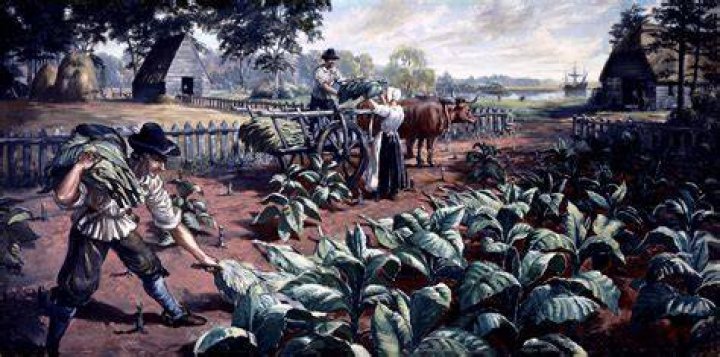
Who were the men who caused Jamestown to be successful? John Smith saved the colony from starvation. He told colonists that they must work in order to eat. John Rolfe had the colony plant and harvest tobacco, which became a cash crop and was sold to Europe.
Who Saved Jamestown with tobacco?
“A custome lothsome to the eye, hatefull to the Nose,” was King James I’s view of smoking tobacco but this small seed saved Virginia. Colonist John Rolfe brought the seeds of sweeter tobacco to Jamestown in 1610, and from this microscopic item came the first major crop of the English Atlantic trade.
What cash crop saved Jamestown how did it save the settlement?
Tobacco saved Jamestown. John Rolfe was a British farmer who lived in Jamestown, and he realized that tobacco from the West Indies could grow well in…
Who introduced tobacco to the colonies as a cash crop?
Rolfe reacted to consumer demand by importing seed from the West Indies and cultivating the plant in the Jamestown colony. Those tobacco seeds became the seeds of a huge economic empire. By 1630, over a million and a half pounds of tobacco were being exported from Jamestown every year.How did tobacco save the settlement at Jamestown?
How did tobacco help save the settlement at Jamestown? Tobacco brought in HUGE amounts of wealth, also caused the population to grow. Many people came to America as indentured servants. … The King decided that since indentured servants were causing such a big problem, that they would just start enslaving people.
How did Rolfe save Jamestown?
The early Jamestown settlers made several unsuccessful attempts to develop profitable enterprises, including silk making, glassmaking, lumber and sassafras. By experimenting with growing and curing tobacco from seeds obtained from the Caribbean, John Rolfe developed the colony’s first profitable export.
Who profited from tobacco during the Columbian Exchange?
Native Americans used tobacco, above all, in religious ceremonies. After 1492 and the onset of Columbian Exchange, Europeans took an interest in the plant. Use of tobacco, including as a medicinal cure-all, spread to royal courts (particularly the French court) throughout Europe.
Who settled at Jamestown?
In 1607, 104 English men and boys arrived in North America to start a settlement. On May 13 they picked Jamestown, Virginia for their settlement, which was named after their King, James I. The settlement became the first permanent English settlement in North America.Who founded Jamestown?
Jamestown, Virginia Jamestowne, WilliamsburgFounded byVirginia Company of LondonNamed forJames I
What saved Jamestown?John Smith saved the colony from starvation. He told colonists that they must work in order to eat. John Rolfe had the colony plant and harvest tobacco, which became a cash crop and was sold to Europe.
Article first time published onWhen did tobacco become a cash crop?
The most important cash crop in Colonial America was tobacco, first cultivated by the English at their Jamestown Colony of Virginia in 1610 CE by the merchant John Rolfe (l. 1585-1622 CE).
What crops did Jamestown colony thrive?
Thanks largely to Rolfe’s introduction of a new type of tobacco grown from seeds from the West Indies, Jamestown’s economy began to thrive. In 1619, the colony established a General Assembly with members elected by Virginia’s male landowners; it would become a model for representative governments in later colonies.
How was Tobacco important to Jamestown?
Tobacco formed the basis of the colony’s economy: it was used to purchase the indentured servants and slaves to cultivate it, to pay local taxes and tithes, and to buy manufactured goods from England.
What saved the Virginia colony from ruin?
Tobacco changed everything. It saved Virginia from ruin, incentivized further colonization, and laid the groundwork for what would become the United States.
Why was Tobacco important in the Columbian Exchange?
Tobacco, another New World crop, was so universally adopted that it came to be used as a substitute for currency in many parts of the world. The exchange also drastically increased the availability of many Old World crops, such as sugar and coffee, which were particularly well-suited for the soils of the New World.
Where did Columbus discover tobacco?
On the morning of October 12, 1492, Christopher Columbus set foot on a small island in the Bahamas. Believing himself to be off the coast of Asia, the Admiral dressed in his best to meet the local inhabitants. The Arawaks offered him some dried leaves as a token of friendship. Those leaves were tobacco.
Who introduced tobacco to the New World?
In 1609, English colonist John Rolfe arrived at Jamestown, Virginia, and became the first settler to successfully raise tobacco (commonly referred to at that time as “brown gold”) for commercial use.
Where was tobacco grown in the colonies?
While at first tobacco was grown in greater quantities in Virginia and Maryland (the first and second largest colonial producers, respectively), North Carolina also grew the crop, and was ranked third among the colonies in tobacco production.
Was John Rolfe The leader of Jamestown Settlement?
John Rolfe stepped into history in May 1609 when he boarded the Sea Venture, bound for Virginia. The Virginia Company, founded by investors, had financed and sponsored the English colony founded at Jamestown in May 1607.
Who was the leader who rescued Jamestown during its first year?
An early advocate of tough love, John Smith is remembered for his strict leadership and for saving the settlement from starvation. An accidental gunpowder burn forced Smith to return to England in 1609.
Is John Smith John Rolfe?
And Pocahontas, daughter of Chief Powhatan, was about 11 years old in 1607 when she first met an Englishman, Captain John Smith — not to be confused with John Rolfe — who had been captured by her uncle. … Although Pocahontas has been linked throughout history with Smith, it was Rolfe who she ultimately fell in love with.
What was the purpose of the Jamestown colony?
Jamestown was intended to become the core of a long-term settlement effort, creating new wealth for the London investors and recreating English society in North America. The colonists arrived at Jamestown after a 4-month journey from London.
Why was Jamestown built on a peninsula?
When Jamestown was founded in 1607, the settlers built their fort on a peninsula. This peninsula did not have good land for farming and didn’t even have access to fresh water, and many colonists died in the first few years.
What really happened at Jamestown?
The settlers of the new colony — named Jamestown — were immediately besieged by attacks from Algonquian natives, rampant disease, and internal political strife. In their first winter, more than half of the colonists perished from famine and illness. … The following winter, disaster once again struck Jamestown.
How was Jamestown governed?
Initially, the colony was governed by a council of seven, with one member serving as president. … Captain John Smith became the colony’s leader in September 1608 – the fourth in a succession of council presidents – and established a “no work, no food” policy.
Who used cash crops?
The crops that were grown were called cash crops because they were harvested for the specific purpose of selling to others. The cash crops of the southern colonies included cotton, tobacco, rice, and indigo (a plant that was used to create blue dye). In Virginia and Maryland, the main cash crop was tobacco.
Who started cash crops?
Who invented cash crops? When John Rolfe arrived in Jamestown in 1610, starvation had thinned the settlers from 500 to 60. Rolfe was in desperate straits himself, having been shipwrecked in Bermuda and then losing his newborn daughter and wife.
How did Jamestown get money?
The primary way the Jamestown colony made money for the Virginia Company was through the cultivation and exportation of tobacco.
What ultimately saved the English colony of Jamestown quizlet?
Explorer, leader of Jamestown that instituted a “no work no food” policy that ultimately saved the colony from starvation and failure. Leader and historian of the Pilgrims at Plymouth, elected governor for 30 years in a row and made peace with the natives. 1. Policy” no work, no food”.
Was Captain John Smith responsible for helping Virginia colonists produce tobacco as a cash crop?
Captain John Smith was responsible for helping Virginia colonists produce tobacco as a cash crop. The first permanent English settlement in North America began as a quest for gold. After living in Plymouth a year, the settlers celebrated by adopting the Mayflower Compact.
How did tobacco plantations affect the land?
Its cultivation rapidly depleted the soil of nutrients. Although this may seem to be a strike against it, early settlers quickly discovered that virgin Virginia soil was too rich for successful harvest of traditional European crops, especially cereals. Tobacco broke down the fields and made food crops more productive.