Who pays closing costs on a short sale
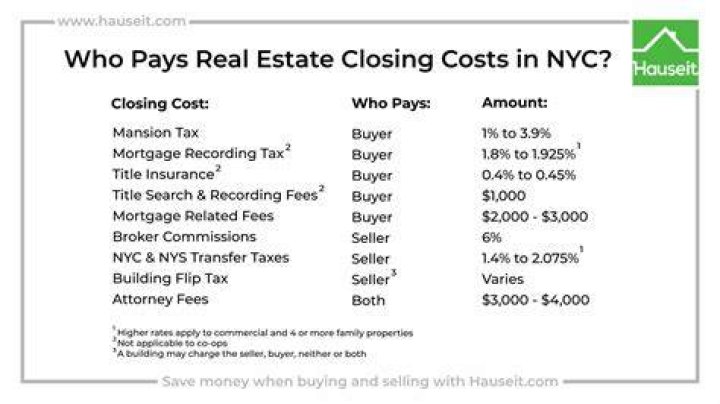
In a short sale transaction on the other hand, the seller’s closing costs are usually paid out of the money the buyer brings to the closing. Normally, the seller’s lender must approve all of these seller closing costs before a short sale can be approved and completed.
What does seller pay on short sale?
Sellers in a short sale position are not asked to pay any closing costs. Documentation fees, transfer fees, taxes, title insurance and escrow fees are all paid by the lender.
Who pays for short sale negotiation fee?
Short Sale Negotiators are usually paid at closing by the buyer of the property, the bank / lender, or the real estate agents involved. Ethical Short Sale Negotiators don’t charge the home owner to represent them, nor do they charge thousands of dollars in up front fees.
Does a short sale include closing costs?
In general, short sales are like most other real estate sales except for the involvement of the seller’s mortgage lender. Buyers in short sales are still free to negotiate for at least partial payment of their closing costs.Is it common for seller to pay buyers closing costs?
Does the Buyer or the Seller Pay Closing Costs? Closing costs are paid according to the terms of the purchase contract made between the buyer and seller. Usually the buyer pays for most of the closing costs, but there are instances when the seller may have to pay some fees at closing too.
Who benefits from a short sale?
For the seller, a short sale presents less damage to his credit report than a foreclosure, and allows him to recover and buy a new house more quickly. This sense of cooperation between the seller and buyer may facilitate the exchange and get the new owner into the house more quickly.
Will a bank accept a short sale offer?
Bank Acceptance Many lenders only accept short sale offers that approach the fair market value of the property, so a bank may decline a significantly lower offer, even if the homeowner has already approved the offer.
Do Banks prefer short sales or foreclosure?
Increasingly, banks are offering struggling homeowners wads of cash to allow their homes to go into a “short sale” and avoid foreclosure.Why is a short sale bad?
If you’re a seller, a short sale is likely to damage your credit — but not as badly as a foreclosure. You’ll also walk away from your home without a penny from the deal, making it difficult for you to find another place to live. However, a short sale can forestall foreclosure and its negative impact on your credit.
Can you buy a short sale with an FHA loan?A short sale occurs as a compromise between a seller and her own lender. A seller who cannot make payments must face foreclosure or an alternative change in the loan. … However, there is little preventing a buyer from using an FHA loan to purchase a short sale house.
Article first time published onCan you get seller concessions on a short sale?
While some private investors have unpredictable guidelines, most lenders (generally those with VA, Fannie Mae or Freddie Mac backed loans) in a short sale will allow up to 3% seller concessions to be paid towards the buyers closing costs. … An experienced short sale agent will always have this information available.
What is a professionally negotiate short sale?
A short sale negotiator works on behalf of a seller to reach a short sale approval with a bank or other lender. The individual’s job is to persuade the lender to agree to accept less than the debt owed on the mortgage in order to allow the short sale to occur.
How long is the short sale process for a buyer?
A short sale can take up to six months to be approved because many factors can slow the process down. You might be able to reduce the time it takes to be approved by asking your agent for some information before making an offer.
How can I avoid paying closing costs?
- Look for a loyalty program. Some banks offer help with their closing costs for buyers if they use the bank to finance their purchase. …
- Close at the end the month. …
- Get the seller to pay. …
- Wrap the closing costs into the loan. …
- Join the army. …
- Join a union. …
- Apply for an FHA loan.
Does the seller pay closing costs out of pocket?
Your closing costs, as a seller, will be deducted from proceeds you make on the home, unless you have low equity, in which case you may need to cover some expenses out of pocket. The amount of money you walk away with after these costs is referred to as your net proceeds.
What is seller responsible for at closing?
A seller can generally expect to pay some significant closing costs, including real estate agent commissions and transfer taxes and fees. … Closing costs for a seller can amount to roughly 6% to 10% of the sale price.
Do you owe money after a short sale?
After the short sale is completed, your lender might call you or send letters stating that you still owe money. These letters could come from an attorney’s office or a collection agency, and will demand that you pay off the deficiency. Your lender or the collector might even try to intimidate you into making payments.
What should you not fix when selling a house?
- Cosmetic flaws. …
- Minor electrical issues. …
- Driveway or walkway cracks. …
- Grandfathered-in building code issues. …
- Partial room upgrades. …
- Removable items. …
- Old appliances.
Is it better to do a short sale or foreclosure?
Timing also differs: Short sales can take up to one year to close, while foreclosures generally move along much faster because lenders are intent on recovering the money they’re owed. Furthermore, a short sale is far less damaging to your credit score than foreclosure.
Is buying short sale a good idea?
In short, short sales are a good idea if you have plenty of time and money. A short sale buyer may get the property at a reduced price, but the property (in all likelihood) has its share of problems — think “fixer-upper” — and the deal needs to go through considerable red tape to make it happen.
How do you make an offer on a short sale?
- Offer a Strong Earnest Money Deposit.
- Check the Comparable Sales.
- Don’t Ask for Special Reports or Repairs.
- Give the Bank Some Time.
- Assure the Seller You’ll Wait.
- Offer to Pay the Seller’s Fees.
- Shorten Your Inspection Period.
- Provide a Strong Preapproval Letter.
Who pays realtor in short sale?
While a seller typically pays all real estate agent commissions and other closing costs, in a short sale the seller pays nothing; the lender or bank foots the bill.
How does a short sale benefit the buyer?
Primarily, the big benefit is the increased odds of getting the home for a reduced price, knowing that the house is in short sale mode, and that the owners, and likely even the bank or lender in many cases, will want to sell the home and get out from under the home loan.
How does a short sale work for a buyer?
How does a short sale work? … In a short sale, the bank or mortgage lender does not evict the homeowner. Instead, the lender lets the current owner sell the house for less than their mortgage debt. The benefit of buying a short sale is that you could find a home at a reduced price.
Why are banks not selling foreclosed homes?
Banks don’t want to hang onto foreclosures, the Real Estate Search Direct website states, because those properties drain money away. As long as a bank owns the property, it has to pay property taxes and insurance, and maintain a cash reserve for any emergencies.
How much should I offer on a bank owned property?
You should probably make your initial bid at a price that’s at least 20% below the current market price—perhaps even more if the property you’re bidding on is located in an area with a high incidence of foreclosures. If you can pay for the property and any necessary renovations in cash, you’re in an enviable position.
Why would a lender approve a short sale?
A short sale occurs when your lender(s) agrees to the sale of your home for an amount less than the outstanding mortgage balance (the sale is “short” of the mortgage payoff). Your lender’s approval is required because it has a lien on your property that must be released to allow for the transfer to the buyer.
How many years after a short sale can I get an FHA loan?
FHA loan – For an FHA loan, you’ll likely have to wait three years to get a mortgage after a short sale unless you can prove extenuating circumstances, which could shorten the wait to one year.
What is the waiting period for FHA loan after foreclosure?
Waiting Period for FHA-Insured Loans After Foreclosure To qualify for a loan that the Federal Housing Administration (FHA) insures, you typically must wait at least three years after a foreclosure.
What is the waiting period for an FHA loan after a short sale?
Following a short sale, a buyer generally has to wait a minimum of 36 months before being able to secure another FHA backed loan. … To secure another loan, the borrower must have maintained a good credit standing following the financial hardship.
Is seller concession the same as closing cost?
Seller concessions are closing costs the seller agrees to pay. They can make a home more affordable for the buyer, and they can help the seller close the deal.