What is the life of a HEPA filter
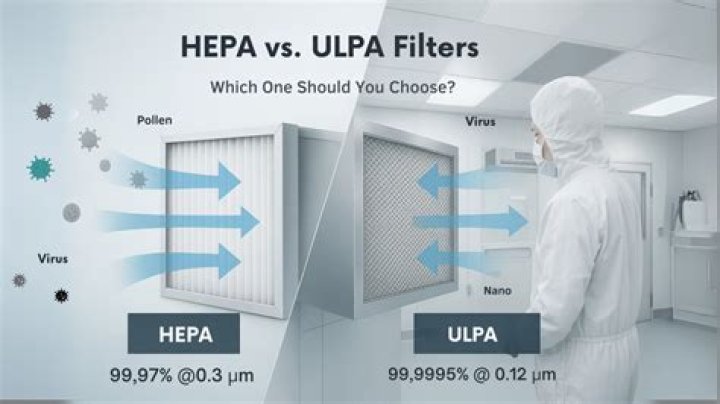
The recommendation for routine HEPA filter replacement is every 10 years. EM is assessing whether filter replacement is typically determined by the lifetime of the filters or other characteristics.
How often should a HEPA filter be replaced?
It’s generally recommended to change them along these timelines: True HEPA: 8,760 usable hours or about every 12 months. Activated Carbon: 8,760 usable hours or about every 12 months. Mesh Pre-Filter: Should be cleaned every 2-4 weeks.
Can HEPA filters be washed and reused?
A permanent or washable HEPA filter can be cleaned and reused multiple times as long as it is done properly without damaging the filter. Most permanent HEPA filters can be cleaned gently with a vacuum cleaner, while a washable HEPA filter can be cleaned by rinsing it in cold water.
Do HEPA filters degrade over time?
HEPA filters are used in many operations to remove particulate matter from effluent exhaust streams. They are thought to degrade over time both during proper storage and during normal operational service; however, the rate at which the filters degrade remains unknown.Can a HEPA filter help with Covid?
When used properly, air cleaners and HVAC filters can help reduce airborne contaminants including viruses in a building or small space. By itself, air cleaning or filtration is not enough to protect people from COVID-19.
What happens if you don't replace HEPA filter?
HEPA filters on an air purifier are used for the removal of dust, dander, pollen and other particulate pollutants. … So if you do not change your air purifiers activated carbon filter on time, these gases will be left unchanged in your home.
How do I know if my HEPA filter is dirty?
How do I know if my HEPA filter is dirty? Open up the air purifier and remove the pre-filter. Your HEPA filter will have heavy clumps of dirt and dust and it’ll look black if it’s dirty. That’s an indication that your filter needs cleaning or replacement.
Should HEPA filters be replaced?
In general, a HEPA filter should be changed every year, pre-filters last 30 days and carbon filters can last three to six months. Clean permanent filters every three months and replace when damaged.Do HEPA filters need to be replaced?
Although it depends on the specific filter you have, as a rule of thumb, replaceable HEPA filters should be replaced every 6-12 months, depending on air quality and environmental factors. Carbon pre-filters should be replaced every 3 months, depending on air quality and environmental factors.
How do you clean and reuse a HEPA filter?A washable HEPA filter should be cleaned by rinsing it under cold water. You should be careful not to touch the filter material, only allowing it to come in contact with water. Allow the filter to completely dry before reinstalling it.
Article first time published onHow do you disinfect a HEPA filter?
Wash your HEPA filter with warm water and allow it to dry if your model specifically states that water cleaning is safe. You can also soak your filter in hot water if it is extremely dirty. Clean non-washable, permanent HEPA filters using a vacuum to remove dust and debris.
How do you clean a non-washable HEPA filter?
Run a vacuum cleaner hose attachment over the filter. Use your vacuum cleaner’s hose with a nozzle or brush attachment to clean your non-washable HEPA filter. Run the attachment over the filter until you’ve removed all debris. Take care not to puncture the filter with the vacuum attachment.
Does HEPA 13 filter Covid?
So yes, HEPA filters can catch particles that contain coronaviruses. People expel droplets of respiratory fluid, saliva, and possibly viruses into the air when breathing, coughing, and talking.
How long does Covid stay in the air?
Transmission of COVID-19 from inhalation of virus in the air can occur at distances greater than six feet. Particles from an infected person can move throughout an entire room or indoor space. The particles can also linger in the air after a person has left the room – they can remain airborne for hours in some cases.
What size is a Covid droplet?
The World Health Organization (WHO) and Centers for Disease Control and Prevention (CDC) postulate that the particles of more than 5 μm as droplets, and those less than 5 μm as aerosols or droplet nuclei (Siegel et al., 2007; WHO, 2014).
Can I wash Dyson HEPA filter?
The answer to this is – NO you can not. Unlike the pre motor yellow pre filter, which is on the side of the vacuum, the HEPA filter is not washable. … This filter is recommended to be changed every 6 months or so (depending on how much you vacuum).
Why is my HEPA filter black?
If you’ve recently changed out your air filter and noticed it was black, you’re experiencing something called “black soot deposition. Essentially, black soot deposition is just an excess build-up of soot, which is typically the result of: A gas appliance or fireplace that isn’t burning fuel properly. Scented candles.
How long does the Dyson HEPA filter last?
We recommend replacing your air purifier filter every 12 months. That’s because over time, filters can get clogged with pollutants, and even let unpleasant odors back into the room.
Can I vacuum without a HEPA filter?
Whether you’re cleaning a small closet or your entire home, you should never use a vacuum cleaner without a HEPA filter. The problem with ‘regular’ vacuum cleaners is the fact that they spread dust and allergens around in the air rather than removing them, which essentially makes the problem worse.
Why is there a need to replace the filter in the HEPA based air purifier?
Most importantly, make sure to frequently replace the filters as living pathogens like mold stay alive and can potentially reproduce on the filter surface. With higher moisture levels and elevated temperatures, bacteria and mold growth can even populate in particulate filter media such as HEPA.
Does HEPA filter mold?
An air purifier with a HEPA filter is the traditional option for filtering particles from the air and can remove some mold spores. … Large particles would theoretically be trapped by a HEPA filter, as the majority of mold spores are larger than 0.3 microns.
How much does a HEPA filter cost?
HEPA filters vary in cost and range from $16–$95 depending on quality, estimated longevity, and manufacturer. Air purifiers that rely on HEPA filters range from $50–$1,000 depending on size, quality, and projected coverage area.
How often replace Honeywell HEPA filter?
Most Honeywell Air Purifiers have a “Filter Check/Reset” indicator that alerts you when it is time to change the filter. As a general rule: Pre-filters should be replaced every 3 months. HEPA filters should be changed every 12 months.
Are HEPA filters required in operating rooms?
New Filter Requirements Have the Biggest Impact on Surgical Spaces. The updated filtration requirements have a significant impact on surgical spaces, which now need MERV-16 or HEPA filtration. Spaces requiring MERV-16 filters include: Operating rooms.
How long does Miele HEPA filter last?
It should be changed once every three months, or every four bags. The exhaust filter, which could be either the Miele Active AirClean SF-AA50 Filter or the Miele HEPA AirClean SF-HA50 Filter, should be changed once every 50 hours of use.
How long does Levoit filter last?
To do its best work, the Levoit Air Purifier recommends changing the filter every six months, after it’s been accumulating odors, particles, allergens, mold spores, etc.
Do HEPA filters work for allergies?
True HEPA filters are effective at removing ultra fine particles (think: dust, dander, pollen, mold and other common allergens in the home). The industry standard is that the unit must be able to remove at least 99.97% of particulates measuring 0.3 micron diameter in a lab setting.
Can you wash air filters?
Start by filling a clean bucket with water and a small amount of laundry detergent. Submerge the filter in the water and swirl it around, using your hands to aggravate dirt and dust out of the filter material. Then, remove it from the water and shake off any excess, before rinsing it under running water.
What is a true HEPA filter made of?
The True HEPA filter is mostly made of the highly dense paper, which is composed of very thin fibers with distances between 0.3 and 2.0 microns. The fibers are distributed randomly and oriented in all directions.
What are HEPA filters made of?
How is HEPA made and how does it clean air? The difference between a HEPA filter and other filters is that HEPA filters are made of thin fibers of glass, and contain some level of activated carbon-based material.
Can you wash a shark rotator HEPA filter?
Many Shark vacuum owners ask: can you wash Shark vacuum filters? Yes, you can wash Shark vacuum filters. In fact, according to the manufacturer, the primary filter should be washed once every month, while the HEPA filter should be washed once every year. You should rinse them with cold water only.