What is the benefits of a labor union
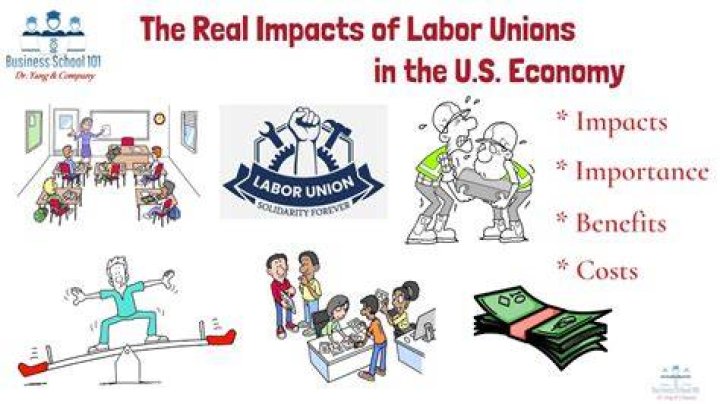
This paper has presented evidence on some of the advantages that unionized workers enjoy as the result of union organization and collective bargaining: higher wages; more and better benefits; more effective utilization of social insurance programs; and more effective enforcement of legislated labor protections such as …
What are the benefits of being in a labor union?
- Negotiate better pay. …
- Collective bargaining. …
- Negotiate better working conditions. …
- Provide training for new skills. …
- Provide job security. …
- Give general advice and support. …
- Negotiate for additional benefits. …
- Employer benefits.
What are the advantages and disadvantages of joining the labor union?
Labor Union ProsLabor Union ConsLess mental issuesLower level of flexibility for firmsHigher flexibility for workersFlawed incentives of unionsPension benefitsFirms may lose competitive advantageEspecially good for shy peopleJoining unions may cost money
What are five advantages of unions?
- Collective Bargaining. Collective bargaining is the heart and soul of the labor union. …
- Workplace Safety. …
- Higher Wages. …
- Better Benefits. …
- Your Representative.
Do union workers get paid more?
How do unions help working families today? Through unions, workers win better wages, benefits and a voice on the job—and good union jobs mean stronger communities. Union workers earn 25 percent more than nonunion workers and are more likely to receive health care and pension benefits than those without a union.
Is being in a union good or bad?
Unionized workers have better access to retirement benefits. Employees that are represented by a union in the workplace have better access to retirement benefits. In fact, workers who are employed within a unionized workplace are more likely to have 401ks or IRAs, as well as pensions.
What are the benefits of trade unions to employers?
- help employers communicate better with staff;
- improve working conditions and practices;
- help with safety issues, so that fewer days are lost as a result of work-related injuries and occupational illnesses;
How do unions help companies?
Many businesses understand the value unions bring to their bottom line: increased productivity, improved service, lower turnover, higher sales, job training, and community reinvestment.How do unions impact employees?
The power of labor unions rests in their two main tools of influence: restricting labor supply and increasing labor demand. Some economists compare them to cartels. 3 Through collective bargaining, unions negotiate the wages that employers will pay.
Is joining a union worth it?Union members earn better wages and benefits than workers who aren’t union members. … Labor unions give workers the power to negotiate for more favorable working conditions and other benefits through collective bargaining. Union members earn better wages and benefits than workers who aren’t union members.
Article first time published onWhy do people join unions?
For higher wages, increased benefits, shorter hours and improved working conditions are certainly important reasons for joining a union. One basic human need is security. … Some unions offer attractive benefits, such as insurance. Peer pressure may also cause workers to join unions.
Are union jobs good?
Through the process of collective bargaining, unionized workers are able to secure higher wages and better benefits, like pensions. But it’s not just unionized workers who benefit. Employers hiring for non-union jobs have to increase their wages, too, in order to compete for employees.
How do labor unions make money?
Union members pay dues to cover the union’s costs. Most unions have paid, full-time staff that helps to manage its operations. While the staff is paid by union dues, members sometimes volunteer with the union. Some unions also create strikes funds that support workers in the event of a strike.
What are the disadvantages of a having labor union?
Higher Labor Costs One of the main disadvantages of having your employees unionize is that your labor costs will likely rise. Union workers make approximately 22 percent more than their non-union counterparts, according to data provided at the website of the U.S. Bureau of Labor Statistics.
What are some benefits and challenges of labor unions?
- Pro 2: Unions promote higher wages and better benefits. …
- Pro 3: Unions are economic trend setters. …
- Pro 4: Political organizing is easier. …
- Con 2: Labor unions discourage individuality. …
- Con 3: Unions make it harder to promote and terminate workers. …
- Con 4: Unions can drive up costs.
What did unions accomplish?
For those in the industrial sector, organized labor unions fought for better wages, reasonable hours and safer working conditions. The labor movement led efforts to stop child labor, give health benefits and provide aid to workers who were injured or retired.
Can union workers be fired?
Workers with union jobs can only be terminated for “just cause,” and the misconduct must be serious enough to merit such action. … Before an employee can actually be fired, he or she can go through a grievance process and, if necessary, arbitration.
Can you be fired for starting a union?
No. Your employer cannot legally fire you for talking to, joining, or even organizing a labor union. This is because the National Labor Relations Act (NLRA) protects your right to form, join, or assist a union.
What are the best union jobs?
- Actor. National average salary: $17,192 per year. …
- Automotive mechanic. National average salary: $41,320 per year. …
- Marine service technician. …
- Ironworker. …
- Airline manager. …
- Carpenter. …
- Firefighter. …
- Customer service representative.
What is a union fee?
union fees. … the payment of a bargaining agent’s fee to a union for negotiations in relation to a new enterprise agreement award with your existing employer.
Do labor unions make profit?
They act as a negotiating agent and bargaining agent for those labours who are incapable to raise their voice for their rights. This the basic one but there are more points.. No they don’t earn money. But political unions do collect subscriptions.
How do unions work?
Unions work like a democracy. They hold elections for officers who make decisions on behalf of members, giving workers more power on the job. … A local may include workers from the same company or region. It may also have workers from the same business sector, employed by different companies.