What is indirect tire pressure monitoring system
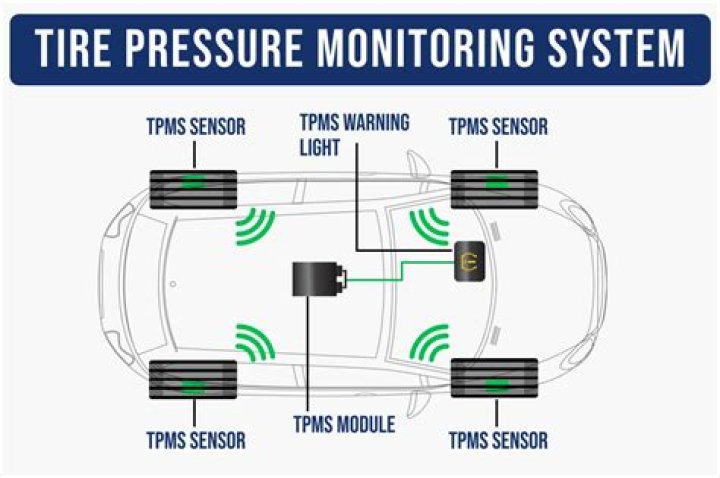
An indirect TPMS system uses an ABS system to monitor the speed of the wheel in order to record tire pressure readings correctly. Indirect systems include Asian and some European vehicles.
What is the difference between indirect and direct tire pressure monitoring system?
Direct TPMS gathers accurate pressure data directly from the tire valve via four dedicated sensors, reporting pressure information in near real time. Indirect TPMS, on the other hand, uses the ABS system to approximate tire pressure, and motorists must drive a substantial distance before an alert will be generated.
What are the three types of TPMS sensors?
TPMS replacement sensors fall into one of three categories: direct replacement; multi-protocol, and programmable.
How many types of tire pressure monitoring systems are there?
There are two types of TPMS systems within your vehicle’s framework direct and indirect. Your vehicle’s direct TPMS uses a sensor located in the wheels. It measures the air pressure of each tire.What cars use indirect TPMS?
- Audi 2011-’14.
- BMW X5 2002-’05.
- Honda Accord 2013-’14.
- Lexus LS430 2004-’06.
- Lexus RX330 2004-’06.
- Mazda CX-5 2013-’14.
- Mercedes C-Class 2007.
- Mercedes SLK 2005-’07.
What are the 2 types of TPMS systems?
How does the Tire Pressure Monitoring System work? There are two different types of systems being used today: Direct TPMS and Indirect TPMS. Direct TPMS uses a sensor mounted in the wheel to measure air pressure in each tire.
Are tire pressure monitoring systems accurate?
Such systems are usually accurate to within 1 psi. Current direct systems use a gauge mounted to the wheel or tire valve. This gauge sends a signal to the car’s computer. How the data is interpreted and displayed in the car with a direct TPMS depends on whether it is a low-line or high-line unit.
How long does a TPMS sensor last?
TPMS sensors run on batteries that can last anywhere from 5-10 years. Sensor battery life will depend on how much driving you do over time and the conditions that you drive in.What are the two main types of direct TPMS sensors?
There are two main types of direct tire pressure monitoring system currently in use. These are known as ‘high line’ and ‘low line’.
What is the most common TPMS sensor?Direct TPMS systems are the most common. This type uses sensors mounted onto the rims, inside the tire, to measure the inflation of each tire separately.
Article first time published onHow much does it cost to replace a tire pressure sensor?
How much does it cost to replace a TPMS sensor? In the event TPMS sensors need to be replaced, the cost can range from approximately $50-$100 each depending on vehicle type.
What is the problem with a tire that wobbles from side to side?
The most common cause of vehicle wobbles in this speed range is a bent wheel or mildly out of round tire. Transmission and drive line issues can also show up in this range, but tires are the first thing to check. Unlike the low speed wobble, this is usually not a safety issue.
Why is my tire pressure light on when my tires are fine?
When air pressure on one or more of your tires falls below 25%, the TPMS light comes on. Before you inflate the tires thinking that the air pressure is incorrect, be sure to check for yourself.
What is the most accurate tire pressure gauge?
JACO ElitePro 100 PSI The JACO ElitePro is one of the most accurate tire gauges in our tests. We liked its sturdy feel and how easy it was to get a good seal on the tire valve.
What are indirect sensors?
An indirect TPMS typically relies on wheel speed sensors that the anti-lock brake system uses. These sensors measure the rate of revolution each wheel is making and can be used by on-board computer systems to compare with each other and to other vehicle operation data such as speed.
Why are TPMS sensors so expensive?
Why are these little sensors so expensive and hard to deal with? Part of the reason is that the requirements for TPM system is very specific, yet the law is silent on what technology automakers can use to achieve acceptable results. … Automakers can also charge whatever they can get away with for them.
Does spare tire have TPMS sensor?
The spare tire is not equipped with a TPMS sensor, so the TPMS light on the dash comes on because it cannot get a reading from that tire. The light will stay on until you have the normal wheel replaced.
How do TPMS sensors get power?
Tire pressure monitoring sensors are usually powered by a 3-volt lithium ion battery. … The battery is encased in the sensor’s molded plastic housing. A battery that is running low on or is depleted requires the replacement of the ENTIRE TPMS sensor assembly.
Are all TPMS sensors the same?
Universal TPMS sensors are designed to replace the original equipment (OE) sensors for the automotive aftermarket. There are different types of universal sensors and Bartec tools are designed to work with all major types. The two major types are ‘programmable’ and ‘configurable’.
How do you rotate tires with TPMS?
Train the system sensors in the tires using the following reset sequence starting with the left front tire and following a clockwise order: Left front, right front, right rear, left rear. 6. Remove the valve cap from the valve stem on the left front tire. Decrease the air pressure until the horn chirps.
Which tire is the LR?
When tires are changed a shop will mark them “LR,RR” etc.. I know that LR means Left Rear and so on..
What does RF mean on a tire?
RF stands for Reinforced. XL stands for Extra Load.
How far do TPMS sensors transmit?
The transmitters in TPMS sensors are low signal devices subject to FCC Part 15 and are Class C devices. The signals are unencrypted, but the signal is so minimal that it cannot be read by anyone more than 100 feet away.
Can you drive with a bad TPMS sensor?
No, driving with the TPMS Light on is not safe. It means one of your tires is underinflated or overinflated. … This can cause undue wear on the tire, potentially lead to a tire failure, and cause a blowout dangerous to you and other drivers on the road.
What happens when TPMS battery dies?
When the battery in a TPMS sensor dies, it will trigger a malfunction warning from the system, indicated by a blinking TPMS light on your dashboard. It may continue to flash, or it may turn solid after 60-90 seconds. … If one of your TPMS sensors fails and needs replacement, you can replace it individually.
Do I need to replace my TPMS sensors when I get new tires?
Do I need to replace TPMS when replacing tires? You don’t need to replace your TPMS sensors when buying new tires, but it’s often convenient to do so if the sensors are more than a few years old. Most TPMS sensor batteries last five to ten years, so older sensors may not last as long as your new tires.
Can AutoZone Check TPMS sensors?
With regular inspection, you can find if your tire pressure monitoring system is corroding or going bad within your wheel, in which case, you need a replacement. AutoZone carries every tire pressure monitoring system product you need for your repair, ensuring you can efficiently and safely cruise down the road again.
Can I replace just one TPMS sensor?
You can replace just one sensor. However, when you replace a TPMS sensor you have to “register” it on the vehicle. That is, the vehicle ECU has to be programmed to know that it has a new sensor with a new ID.
Can I install TPMS sensors myself?
Installing cap-based tire pressure sensors is straightforward. Even if you have no experience working on your car, you won’t have trouble. In most cases, all you do is screw on the sensors in place of the valve stem caps. Avoid cross-threading the sensors because you need a tight seal for the system to work correctly.
Why does my car start shaking at 60 mph?
Unbalanced tires are the most probable reason your car will shake once you reach 60 MPH. That’s because the lack of balance causes the steering to vibrate as the speed increases. If it’s not the tires, a sticky brake caliper or the need to repair the brake rotors are other possible causes.
What is a death wobble?
Death wobble is used to describe a series of sudden, often violent front suspension vibrations exhibited by solid front axle suspensions, and more infrequently, independent front suspensions. … Even just one death wobble incident can cause permanent—and dangerous—suspension or steering damage.