What do children eat on Day of the Dead
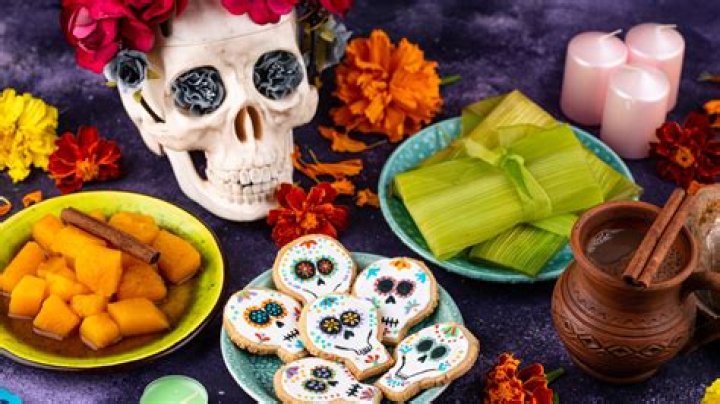
What do children eat on Dia de los Muertos? Kids will have fun with the pan de muerto (Day of Dead bread) and also the the calaveras, or the candy sugar skulls, which are a traditional Mexican food for Day of the Dead.
What special foods are eaten on Dia de los Muertos?
In Mexico traditional Día de los Muertos foods include pan de muerto and sugar skulls which are also used as ofrendas for the altars and tamales, champurrado (thick hot chocolate), moles, etc.
What do you do with food after Day of the dead?
Food is, as with any celebration, an integral part of the Día de los Muertos celebration. But food as an ofrenda is offered for the aroma, it is not believed that the foods are used or consumed by the spirits. The foods are eaten or given away by the living later, after their essence has been consumed.
What is a typical treat that children love to eat on Dia de los Muertos?
Tamales. Although there are as many types of tamales as there are savory fillings, tamales, no matter their flavor, are a favorite food during El Día de los Muertos celebrations.What are the offerings for Day of the dead?
A dedication to the deceased Families create ofrendas (Offerings) to honor their departed family members that have passed. These altars are decorated with bright yellow marigold flowers, photos of the departed, and the favorite foods and drinks of the one being honored.
What is the #1 symbol of Day of the Dead?
1. Ofrenda. The ofrenda is the central component of any Day of the Dead celebration, and it’s one of the holiday’s most recognized symbols. Ofrenda refers to the offerings which are laid out on a temporary altar during the Day of the Dead celebrations.
Why is food important for Day of the Dead?
Families create the altars with photographs and candles as a way for their departed loved ones to find their way back to their living relatives, and the food and ofrendas serve both as nourishment for the deceased after their journey as well as enticement and motivation for them to come back to the land of the living.
What do they put on the altars to honor children?
The Day of the Dead altars for the children are set on the eve of October 31st with hoary stock and baby’s breath flowers; their white color symbolizing the purity of the children’s souls. Children’s souls are treated with sweet tamales, hot chocolate, atole (corn based hot drink), fruits, candies and toys.What do you do on the first day of Day of the Dead?
On Dio De Los Muertos, people prepare a feast with many of the favorite dishes of lost loved ones. Pan de Muertos or “Bread of the Dead” is a traditional bread which is baked and eaten during this celebration. Mementos are set out of favorite things of the ones who have passed away.
Why do you put bread on an ofrenda?Alongside other items included in the ofrenda, the bread is intended to honor the souls of our loved ones who return to visit us and give them nourishment.
Article first time published onWhat is the color of death in Mexico?
Today Mexico, Central America and small regions of the United States honor Day of the Dead and it is a sight that one must see. The golden-yellow colors of marigolds petals grace alters that are adorned with flowers, incense, and candles while food and candy skulls are used as offerings.
What do skeletons mean in Mexico?
They are often shown wearing festive clothing, dancing, and playing musical instruments to indicate a happy afterlife. This draws on the Mexican belief that no dead soul likes to be thought of sadly, and that death should be a joyous occasion. … The figure of a bare skeleton represents death and implies fear of death.
How do you honor Day of the Dead?
- Visit the gravesite of a loved one. …
- Take a picnic to the cemetery where your loved one rests. …
- Bake pan de muerto. …
- Set up an altar in your home. …
- Make your own sugar skulls. …
- Host a Day of the Dead feast. …
- Attend a Day of the Dead parade. …
- Dress up as a Catrina or Catrín.
What should be on an ofrenda?
Photos and favorite objects: Ofrendas always include photographs of the deceased person(s) which in conjunction with the smells and colors of the flowers, candles and incense help the spirits determine where they should go to reunite and commune with their relatives.
Why are sugar skulls used for Day of the Dead?
Sugar skulls represented a departed soul, had the name written on the forehead and was placed on the home ofrenda or gravestone to honor the return of a particular spirit. Sugar skull art reflects the folk art style of big happy smiles, colorful icing and sparkly tin and glittery adornments.
What do souls of lost loved ones mean?
The ofrendas represent a remembrance of the departed, a reminder that life is eternal and that presence of the deceased loved one is everlasting.
Which fruits are most used on Day of the Dead altars?
Vegetables and fruits play an important role in the celebration because they’re used to decorate the altars with the deceased’s favorite foods and drinks. Chili peppers, onions, tomatoes, tomatillos, jicama, apples and oranges are some of the most popular ingredients.
What is the purpose of salt on the Day of the Dead?
Salt. Salt acts to cleanse the spirits and purify their souls during the following year.
Who eats the pan de muerto?
Pan de muerto (bread of the dead) is all the rage in Mexico during Day of the Dead season. Mexicans wait an entire year to eat this special kind of bread and consider it an essential part of these celebrations.
How long do you keep an ofrenda up?
The ofrenda must be in place by October 31, because at night, the deceased pop in for one night. Rooted in pre-Hispanic traditions and mixed with elements of Christianity, the ofrendas – which can consist of several levels, depending on space – are a place of gathering.
Why is a candle placed on the ofrenda?
Here are the ofrendas that you will typically see on a Dia de los Muertos altar: Candles – Candles are lit to welcome the spirits back to their altars. … Their strong fragrance also help lead the dead back to their altars.
What does blue mean in China?
Blue represents the element of wood in Chinese culture, also symbolizing immortality and advancement. Blue also represents the season of Spring.
What colors are for good luck?
The three main lucky colors considered lucky in people’s daily lives as well as on special occasions are red, yellow, and green. We have also covered color combinations preferred in China.
What does yellow mean in the Day of the Dead?
Yellow – Represents the sun and unity, because under the sun, we’re all the same. White – Using this color in decorations represents spirit, hope and purity. … Marigolds – People spread petals from these round, yellow-orange flowers to guide spirits of loved ones to the celebration.
Why do Mexicans dress in skeletons?
The calavera Catrina Posada dressed his personification of death in fancy French garb and called it Calavera Garbancera, intending it as social commentary on Mexican society’s emulation of European sophistication.
What are angelitos?
Angelitos are typical sweets of the area known as Bajo Piura, in the coastal region of Piura. Traditionally, these sweets are made during the religious celebration called “Dia de los Muertos””, the day of the dead celebrated on the first days of November.
What are the Dia de los Muertos skulls called?
The calavera (a word that means “skull” in Spanish but that has come to mean the entire skeleton) has become one of the most recognizable cultural and artistic elements of the Day of the Dead festivities. Made from wood, paper maché, sugar paste, or carved bone, the colorful calavera are joyful, celebratory figures.
What do you put on a Day of the Dead altar?
- Skulls (calavera) Jennifer Nalewicki. …
- Marigolds. Jennifer Nalewicki. …
- Perforated Paper (papel picado) Jennifer Nalewicki. …
- Pan de Muerto (bread of the dead) Jennifer Nalewicki. …
- Salt. Jennifer Nalewicki. …
- Photographs.