What are the psychological effects of retirement
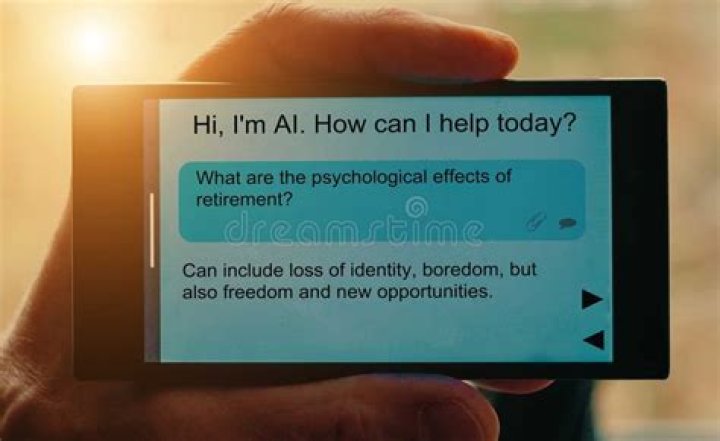
These effects include partial identity disruption, decision paralysis, diminished self trust, experience of a post retirement void, the search for meaningful engagement in society, development of a retirement/life structure, the confluence of aging and retire- ment, death anxiety, the critical nurturing of social …
How can retirement affect you emotionally?
Some new retirees even experience mental health issues such as depression and anxiety. The truth is that no matter how much you’ve been looking forward to it, retiring from work is a major life change that can bring stress as well as benefits. In fact, some studies have linked retirement to a decline in health.
What are the negative effects of retirement?
However, retirement also bears the risk that retirees suffer from the loss of daily routines, physical and/or mental activity, a sense of identity and purpose, and social interactions, which may lead them to adopt unhealthy behaviors.
How does retirement impact mental health?
Higher levels of self-esteem were associated with significantly better health post-retirement, as well as greater satisfaction with their health. Asked about stress, three-quarters reported being less stressed and only 7 per cent were more stressed after they retired.What are the main problems people face when they retire?
Inflation, sequence of returns, unfilled income gaps, market risk, interest rate risks, taxes, long term care expenses, rising health care costs, technology and medical advancements are all real concerns that you need to think about. These are without a doubt the biggest retirement challenges.
How do you prepare for psychological retirement?
- Plan what you’re going to do with your time. …
- Start thinking about a hobby or interest that you would like to pursue.
- Find friends, because your social circle gets smaller when you leave work. …
- Be positive and go out and do things.
How do you mentally adjust to retirement?
- Expect to Go Through Stages of Emotions. …
- Structure Your Days. …
- Set Small Goals. …
- Grow Your Friendships. …
- Consider an “Encore” Job. …
- Create a New Budget. …
- Schedule Volunteer Shifts.
Why do people get depressed after retirement?
Reasons for Depression After Retirement The person’s sense of self is tied up very strongly in what he or she does for a living; and, with retirement, a sense of loss can occur, leaving a person struggling to understand who they are and what their value is.What are the five stages of retirement?
- First Stage: Pre-Retirement.
- Second Stage: Full Retirement.
- Third Stage: Disenchantment.
- Fourth Stage: Reorientation.
- Fifth Stage: Reconciliation & Stability.
Earlier retirement was linked to faster cognitive decline. “Brains do operate, to some extent, under the same principle of ‘use it or lose it,’” said Dr. … The study didn’t specifically say working longer protects brain cells as much as it concluded that early retirement brings faster cognitive decline.
Article first time published onWhat are retirees concerned about?
Many retirees are concerned about whether they will outlive their savings, and in seeking ways to ensure that this does not occur, they look for savings and investment options that will produce income that is sufficient to cover their living expenses.
What are the benefits of retirement?
A retirement plan has lots of benefits for you, your business and your employees. Retirement plans allow you to invest now for financial security when you and your employees retire. As a bonus, you and your employees get significant tax advantages and other incentives.
What is the retirement crisis?
In short, the Retirement Crisis describes the sheer number of Americans who find themselves with insufficient savings or sources of income to live on in retirement.
Are you psychologically ready to retire?
Some of the top emotional signs you might be ready to retire include: Becoming resentful of your work, or daydreaming about retirement during work hours to the extent that it distracts you from getting your work finished. … Being jealous of your retired friends and counting down the days to your own retirement.
What should you not do when you retire?
- Quitting Your Job. …
- Not Saving Now. …
- Not Having a Financial Plan. …
- Not Maxing Out a Company Match. …
- Investing Unwisely. …
- Not Rebalancing Your Portfolio. …
- Poor Tax Planning. …
- Cashing Out Savings.
What is the best age to retire?
66-67 – Depending on your year of birth, your Full Retirement Age (FRA) will be between 66 and 67. For example, if you were born in 1955, your FRA is 66 years and 2 months while if your birth year was 1959, your FRA is 66 years and 10 months. For those born in 1960 or later, full retirement age is 67.
Do early retirees live longer?
Authors of the meta-analysis examined 25 studies and, again, reached an equivocal conclusion. Researchers found no association between early retirement and mortality compared with on-time retirement.
How can I be happy in retirement?
- Have a Sense of Purpose and Meaning. …
- Create the Most Complete Retirement Plan Possible. …
- Make Friends with Your Future Self. …
- Think Health Not Wealth. …
- Trade Time for Money. …
- Volunteer and Feel Great. …
- Want Health in Retirement? …
- And, If Walking Is Your Exercise, Walk Fast.
What retirees do all day?
They spent more time on things like personal care, eating, household activities, shopping, leisure, civic activities and talking on the phone. In all, a typical retiree took 2.5 hours per day away from activities like work and added those 2.5 hours into activities like leisure. Too much T.V. Not enough travel.
What is the first stage of retirement psychology?
1. Pre-Retirement. This is the phase when people begin to think seriously about the life they want for themselves in retirement and whether they’re financially on track to achieve it. At least that’s what they should be doing—and not waiting until they’re right on the cusp of retirement to try to figure it all out.
What does the Bible say about retirement?
The Lord said to Moses, “This applies to the Levites: Men twenty-five years old or more shall come to take part in the work at the tent of meeting, but at the age of fifty, they must retire from their regular service and work no longer.
What are the signs you need to retire?
- You have plenty of money saved. …
- You know your withdrawal rate. …
- You have a Social Security claiming strategy. …
- You’ve made a budget. …
- You understand the tax rules.
How do you stay motivated after retirement?
- Understand what motivates you.
- Find your passion.
- Set achievable goals.
- Celebrate success.
- Don’t do it alone.
- Remain flexible and adaptable.
- Stay positive.
How do you cope with retirement stress?
- Avoid sudden loss of identity. …
- Devise a financial stability plan in advance. …
- Take steps to maintain good health. …
- Prepare a plan to maximize your free time. …
- Stop boredom before it happens.
What happens when people retire too early?
If you retire too early (i.e. before earning a paycheck for at least 35 years), you’ll receive less Social Security. That’s the downside to an early retirement. By retiring early, you’ll also miss out on the chance to claim delayed retirement credits.
Is retiring early bad?
Cons of retiring early include the strain on savings, due to increased expenses and smaller Social Security benefits, and a depressing effect on mental health. There may be ways to chart a middle course—cutting back on work without fully retiring.
Does retirement cause memory loss?
People who retire early suffer from accelerated cognitive decline and may even encounter early onset of dementia, according to a new economic study I conducted with my doctoral student Alan Adelman.
Why are people worried about retirement?
Americans who want to retire are worried about healthcare costs, inflation, and market volatility. However, these fears are possible to overcome, says a financial planner. Checking that money is invested properly and opening a health savings account can allay these fears.
Why should you be concerned with retirement?
Retirement planning is important because it can help you avoid running out of money in retirement. Your plan can help you calculate the rate of return you need on your investments, how much risk you should take, and how much income you can safely withdraw from your portfolio.
How do I stop thinking about retirement?
- Take Care of Debt. …
- Know How Much You Really Need to Save. …
- Ignore the Financial Markets. …
- Maintain a Detailed Retirement Plan. …
- Create a Backup Plan. …
- Flip Your Perspective. …
- Talk Finances with Your Family. …
- Take Care of Yourself.
What is the real meaning of retirement?
Retirement is the withdrawal from one’s position or occupation or from one’s active working life. … Nowadays, most developed countries have systems to provide pensions on retirement in old age, funded by employers or the state.